
Black King Kong Shrimp Care Guide: The Darkest Caridina
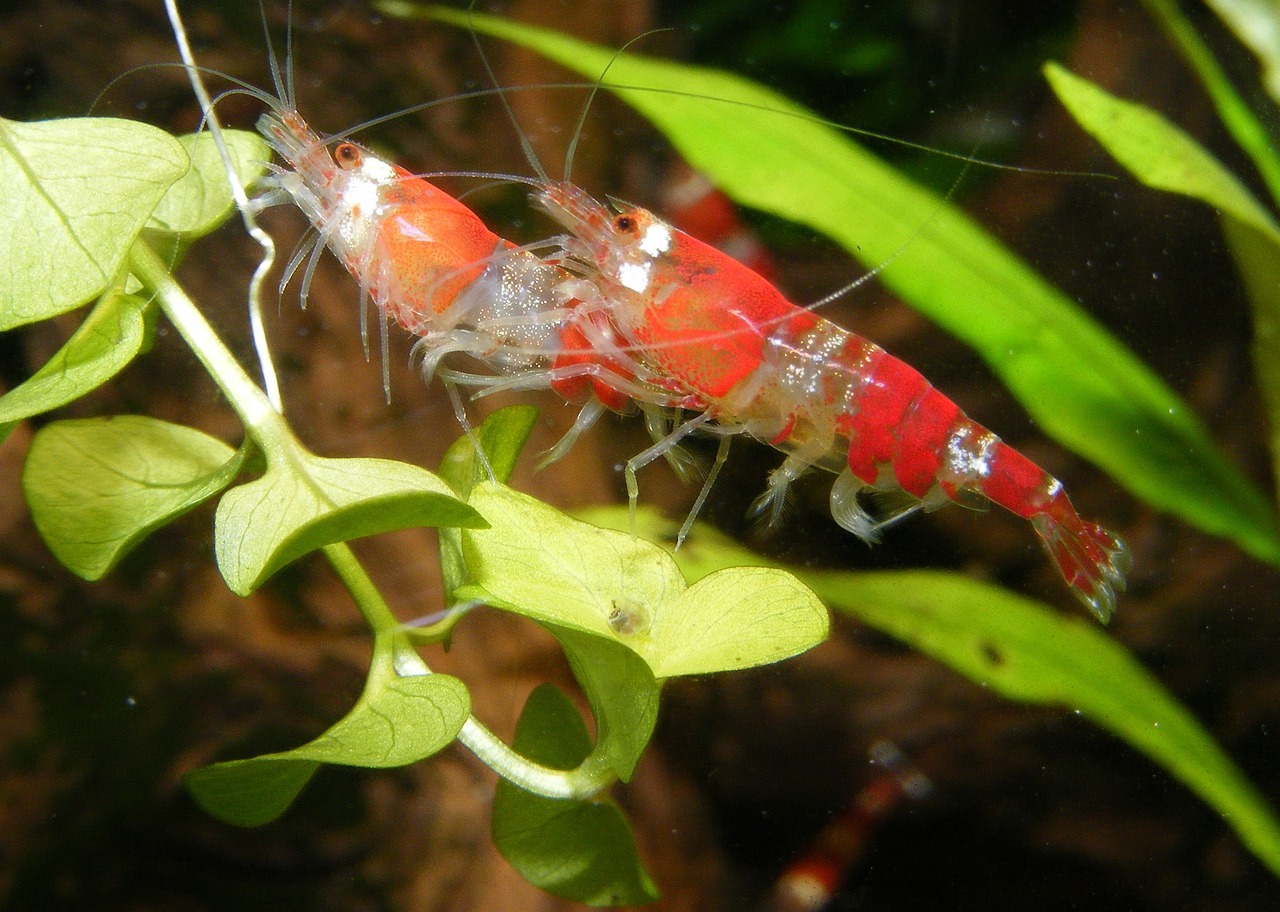
This black king kong shrimp care guide details the keeping of one of the most sought-after and visually striking Caridina shrimp in the hobby. At Gensou Aquascaping, located at 5 Everton Park in Singapore, we recognise the Black King Kong as the pinnacle of selective shrimp breeding, prized for its deep, opaque black colouration.
Origins and Selective Breeding History
The Black King Kong shrimp is a selectively bred variety derived from Taiwan Bee shrimp, which themselves trace their lineage to Caridina cantonensis. Originating from breeders in Taiwan and subsequently refined in countries including Germany and Japan, the Black King Kong represents years of careful line breeding. The goal has been to produce a shrimp with complete, solid black coverage across the entire body, with no translucent patches or colour breaks. High-grade specimens command premium prices in the shrimp keeping community.
Tank Setup and Substrate
Black King Kong shrimp thrive in dedicated shrimp tanks of 20 litres or more, with 40 to 60 litres being optimal for a breeding colony. An active buffering substrate is essential for maintaining the acidic conditions these shrimp require. Products designed specifically for Caridina shrimp keep the pH stable within the ideal range. The tank should be well-planted with mosses such as Java Moss, Christmas Moss, or Fissidens, which provide both grazing surfaces and shelter for shrimplets. Driftwood and leaf litter add beneficial biofilm.
Water Parameters and Stability
Precise water parameters are critical for Black King Kong shrimp. Aim for a pH between 5.4 and 6.2, a general hardness of 3 to 6 dGH, a carbonate hardness of 0 to 1 dKH, and a total dissolved solids reading between 100 and 150 ppm. Temperature should be maintained between 20 and 24 degrees Celsius, which in Singapore’s warm climate requires a chiller or placement in an air-conditioned room. Remineralised reverse osmosis water is the standard approach, using a Caridina-specific mineral additive to achieve consistent parameters.
Feeding Black King Kong Shrimp
Black King Kong shrimp are omnivorous scavengers that feed on biofilm, algae, and decomposing plant matter as their primary food sources. Supplement with high-quality shrimp-specific foods, including pellets, powdered foods, and mineral supplements. Blanched vegetables such as spinach and nettle leaves are appreciated. Avoid overfeeding, as uneaten food degrades water quality rapidly in small tanks. Feed sparingly every other day in a well-established tank with abundant natural biofilm. Calcium-rich foods and mineral stones support healthy moulting.
Grading and Quality Assessment
Black King Kong shrimp are graded based on the density and coverage of their black colouration. The highest-grade specimens display a solid, opaque black across the entire body, including the legs and rostrum, with no translucent or lighter patches visible. Lower-grade individuals may show some transparency on the legs or underbelly. When selecting breeding stock, prioritise shrimp with the most consistent colour coverage. Grading under strong lighting reveals imperfections that may be hidden in ambient conditions.
Breeding and Colony Management
Breeding Black King Kong shrimp requires patience and stable conditions. Females carry between 15 and 30 eggs for approximately 28 to 30 days before releasing miniature versions of the adults. Ensure the tank has ample hiding places for shrimplets, as even adult shrimp can occasionally prey on very young offspring. Maintain pristine water quality during the breeding period and avoid any sudden parameter changes. Selective culling or separation of lower-grade offspring helps maintain the quality of the colony over successive generations.
Common Health Concerns
Black King Kong shrimp are sensitive to copper, heavy metals, and fluctuations in water chemistry. Failed moults are a common issue, often caused by insufficient mineral content or sudden parameter shifts. Bacterial infections can occur in tanks with poor hygiene or overfeeding. Planaria and hydra are predators of shrimplets and should be addressed immediately if spotted. In Singapore, the warm climate makes temperature control a persistent concern, so monitoring with a reliable thermometer and investing in cooling solutions is essential.
The Black King Kong in Your Collection
The Black King Kong shrimp is not a beginner species, but for experienced shrimp keepers, it represents the ultimate challenge and reward. Its jet-black appearance is unmatched in the freshwater invertebrate world, and a thriving colony is a testament to precise husbandry. If you are ready to take on the Black King Kong or need assistance with water chemistry, tank setup, or sourcing quality breeding stock, the team at Gensou Aquascaping offers expert guidance tailored to Singapore’s unique conditions.
Related Reading
- Yellow King Kong Shrimp Care Guide: Golden Caridina Royalty
- Crystal Black Shrimp Care Guide: Monochrome Caridina Elegance
- Amano Shrimp Breeding Challenges: Larval Stages and Saltwater Phase
- How to Breed Amano Shrimp: The Challenging but Rewarding Process
- Amano Shrimp vs Cherry Shrimp: Which Is Better for Your Tank?



