
Asian Bumblebee Catfish Care Guide: Striped Nocturnal Hunter
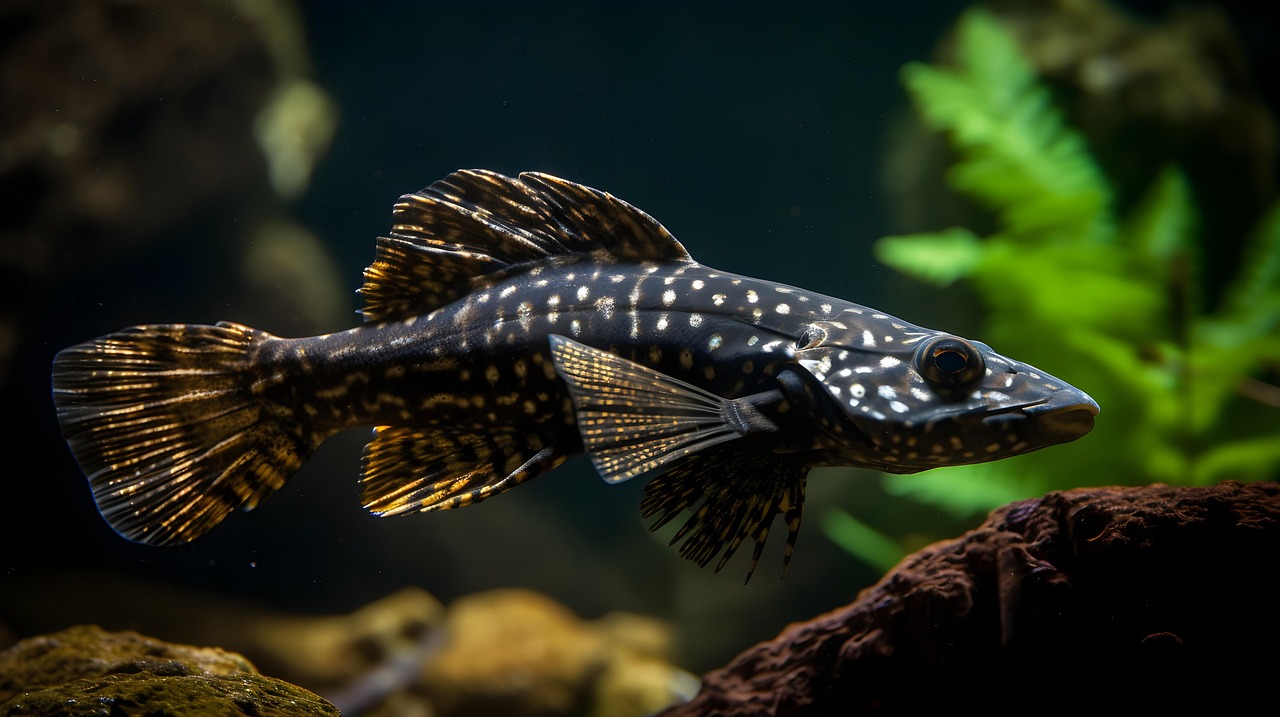
Lurking beneath driftwood by day and prowling the substrate after lights-out, the Asian bumblebee catfish is a fascinating nocturnal predator wrapped in bold yellow-and-brown stripes. This Asian bumblebee catfish care guide covers Pseudomystus siamensis, a species often confused with its South American namesake but requiring distinctly different care. Gensou Aquascaping in Singapore has kept this catfish across multiple setups and appreciates its unique personality, though it comes with caveats that every prospective keeper should understand before purchasing.
Identification and Origin
Pseudomystus siamensis originates from rivers and streams across Thailand, Cambodia and the Mekong basin. Adults reach 15-18 cm, substantially larger than many shoppers expect when they see 4 cm juveniles in the store. The body features alternating dark brown and pale yellow bands, with long barbels extending from the upper jaw. Unlike the South American bumblebee catfish (Microglanis iheringi), which stays under 8 cm, the Asian species grows large enough to eat small tankmates. This distinction is critical and frequently overlooked.
Tank Size and Layout
A single Asian bumblebee catfish requires a minimum of 150 litres, with 200 litres or more recommended for a community setup. Provide multiple hiding spots using driftwood, PVC pipes, ceramic caves or stacked rocks. This species is strictly nocturnal and will become stressed without adequate daytime shelter. A sandy substrate protects the barbels, which are prone to abrasion on rough gravel. Keep lighting subdued or provide shaded areas under floating plants. Moderate to strong filtration is needed, as these catfish produce a fair amount of waste relative to their size.
Water Parameters
Asian bumblebee catfish prefer slightly acidic to neutral water at pH 6.0-7.2, with soft to moderate hardness of GH 3-10. Singapore’s dechlorinated tap water sits comfortably within these parameters. Temperature between 22 °C and 26 °C is ideal, which means a chiller or cooling fan is advisable in Singapore where ambient temperatures often exceed 28 °C. Without cooling, you can keep them at 27-28 °C, but avoid sustained temperatures above 30 °C. Weekly 25-30% water changes maintain stable conditions. Good oxygenation through surface agitation or an airstone is appreciated.
Feeding the Nocturnal Hunter
Here is where the Asian bumblebee catfish care guide demands honest attention. This fish is a carnivorous predator that will eat anything fitting in its surprisingly large mouth, including small fish, shrimp and snails. Feed sinking carnivore pellets, frozen bloodworms, chopped prawns and earthworms. Drop food in after lights-out to match their natural feeding schedule. Juveniles eat two to three times daily; adults do well with feeding every other day. Live foods such as blackworms stimulate natural hunting behaviour. Avoid relying solely on flake food, which does not meet their nutritional needs.
Tankmate Selection
Choose tankmates carefully. Any fish under 5 cm is a potential midnight snack. Safe companions include medium to large barbs, larger gouramis, loaches of similar size, and other robust species that cannot fit in the catfish’s mouth. Neocaridina and Caridina shrimp will be eaten without hesitation. Snails fare slightly better but are not guaranteed safe. Multiple bumblebee catfish can coexist in a spacious tank with ample hiding spots, though they may squabble over the best caves. Provide at least one cave per fish to reduce territorial disputes.
Behaviour and Handling
During daylight hours, expect to see virtually nothing of this fish. It wedges itself into the tightest available crevice and remains motionless until dusk. A red LED night light allows you to observe their active period without disturbing them. When stressed or netted, Pseudomystus siamensis can lock its pectoral fin spines rigid, making them difficult to untangle from nets. Use a plastic container rather than a net when moving this species. They also produce an audible clicking or croaking sound when handled, a defensive mechanism common to several bagrid catfish.
Health and Lifespan
Asian bumblebee catfish are reasonably hardy once established. Ich can appear after stressful transport or sudden temperature drops, so acclimatise new arrivals slowly. Bacterial infections occasionally develop if water quality deteriorates or barbels become damaged on abrasive substrate. In optimal conditions, this species lives 8-12 years. Juveniles sell for around $5-$10 at local fish shops in Singapore, including stores along Serangoon North. Before buying, confirm you have a tank large enough for an 18 cm adult and tankmates robust enough to survive alongside a committed nocturnal predator.
Related Reading



