
Queen Arabesque Pleco Care Guide: L260 Intricate Patterns
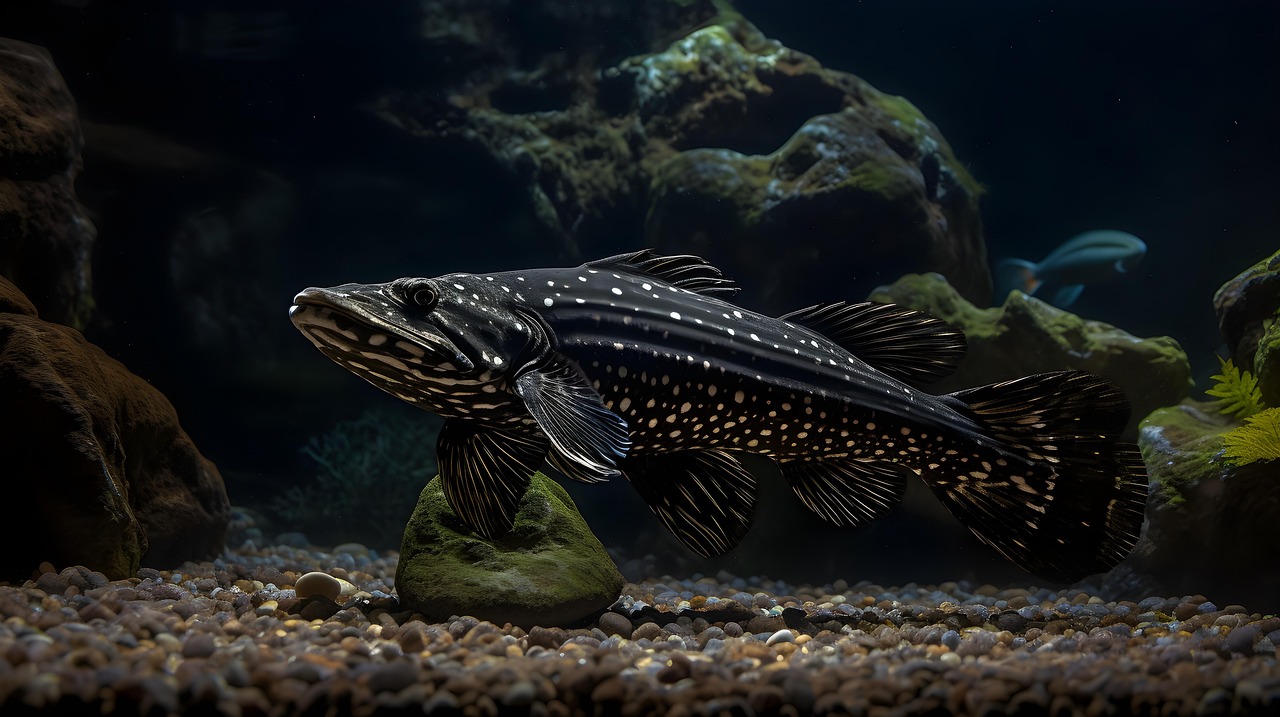
Among the hundreds of numbered pleco species, L260 stands out for its striking contrast of jet-black body covered in fine white maze-like lines. The queen arabesque pleco, Hypancistrus sp., is a small, manageable catfish that appeals to collectors and community tank keepers alike. This queen arabesque pleco care guide from Gensou Aquascaping in Singapore covers habitat needs, diet specifics, and breeding techniques for this visually stunning Brazilian species. With proper care, the intricate patterning only sharpens as the fish matures.
Origin and Classification
L260 originates from the Rio Tapajos drainage in Brazil, where it inhabits fast-flowing, oxygen-rich waters among rocky substrates. It belongs to the Hypancistrus genus, which includes several other sought-after species like the zebra pleco (L046). Adults reach 8–10 cm — considerably smaller than common plecos — making them practical for moderate-sized aquariums. The L-number system assigns L260 specifically, though pattern variability between populations means no two fish look exactly the same.
Tank Requirements
A single specimen or pair fits in a 60-litre tank, but 80–120 litres gives room for a small breeding group and proper cave placement. Provide multiple caves using ceramic pleco caves, stacked slate, or PVC pipe cut to size — each adult claims a cave and defends it. Substrate should be sand or smooth fine gravel to protect their soft undersides. Strong oxygenation is essential; a powerhead or spray bar creating surface agitation mimics their natural riverine habitat. Driftwood adds grazing surfaces, though L260 is not primarily a wood-eater.
Water Parameters
Target pH 6.0–7.2, GH 2–10, and temperature 26–30 °C. Singapore’s soft, slightly acidic tap water aligns well with these requirements — just dechlorinate thoroughly. The temperature range is a good fit for our climate; ambient water temperatures of 28–29 °C sit comfortably within their preference. High oxygen levels are non-negotiable, so run a sponge filter alongside your main filtration or add an air stone. Weekly 25–30% water changes keep nitrates below 20 ppm, which these fish are sensitive to.
Diet and Feeding
Unlike common plecos, queen arabesque plecos are primarily carnivorous. They do not survive on algae wafers alone — a common mistake that leads to malnutrition. Offer high-protein sinking pellets, frozen bloodworms, brine shrimp, and mysis shrimp. Repashy gel foods in the meat-based formulas (such as Bottom Scratcher) are excellent and allow precise portioning. Feed after lights-out when these nocturnal catfish are most active. A varied protein-rich diet keeps patterns sharp and fish in breeding condition.
Behaviour and Temperament
L260 is shy and nocturnal by nature. During the day, expect them to remain hidden inside caves. As they settle in — a process that can take weeks — they emerge more confidently during dim hours. Males are territorial around their chosen cave but aggression rarely causes injury if each fish has its own shelter. They ignore tankmates that do not intrude into their cave space, making them compatible with most peaceful community fish. Moonlight LEDs or dim evening lighting lets you observe their natural activity patterns.
Suitable Tankmates
Peaceful mid-water species work best alongside cave-dwelling L260. Small tetras, rasboras, and dwarf cichlids like Apistogramma species occupy different zones and rarely compete. Corydoras catfish share the bottom but are not cave competitors. Avoid other Hypancistrus species or similarly sized cave-dwelling plecos unless the tank is large enough (200+ litres) for each fish to claim territory. Shrimp are generally safe companions, as L260 is too slow to catch healthy adults.
Breeding L260
Breeding requires mature fish (usually 18+ months old), excellent water quality, and appropriately sized caves. Males guard caves and entice females to deposit eggs inside — typically 10–25 eggs per clutch. The male fans and protects the eggs for roughly 7–10 days until hatching. Fry absorb their yolk sac over another few days before accepting baby brine shrimp and powdered high-protein foods. A slight temperature drop during a water change — 2–3 °C cooler replacement water — can trigger spawning behaviour.
Sourcing in Singapore
Queen arabesque plecos appear periodically at specialty shops and on Carousell. Prices range from $30–$60 per fish depending on size and pattern quality. Wild-caught imports tend to be more expensive but often display sharper patterning. Captive-bred specimens are hardier and adapt faster to local water conditions. Quarantine new arrivals for at least two weeks, watching for sunken bellies or white spot — both common issues in recently imported Hypancistrus. This queen arabesque pleco care guide should give you confidence to keep one of the hobby’s most beautiful small catfish.
Related Reading



