
Carbon Rili Shrimp Care Guide: Black Head, Clear Body
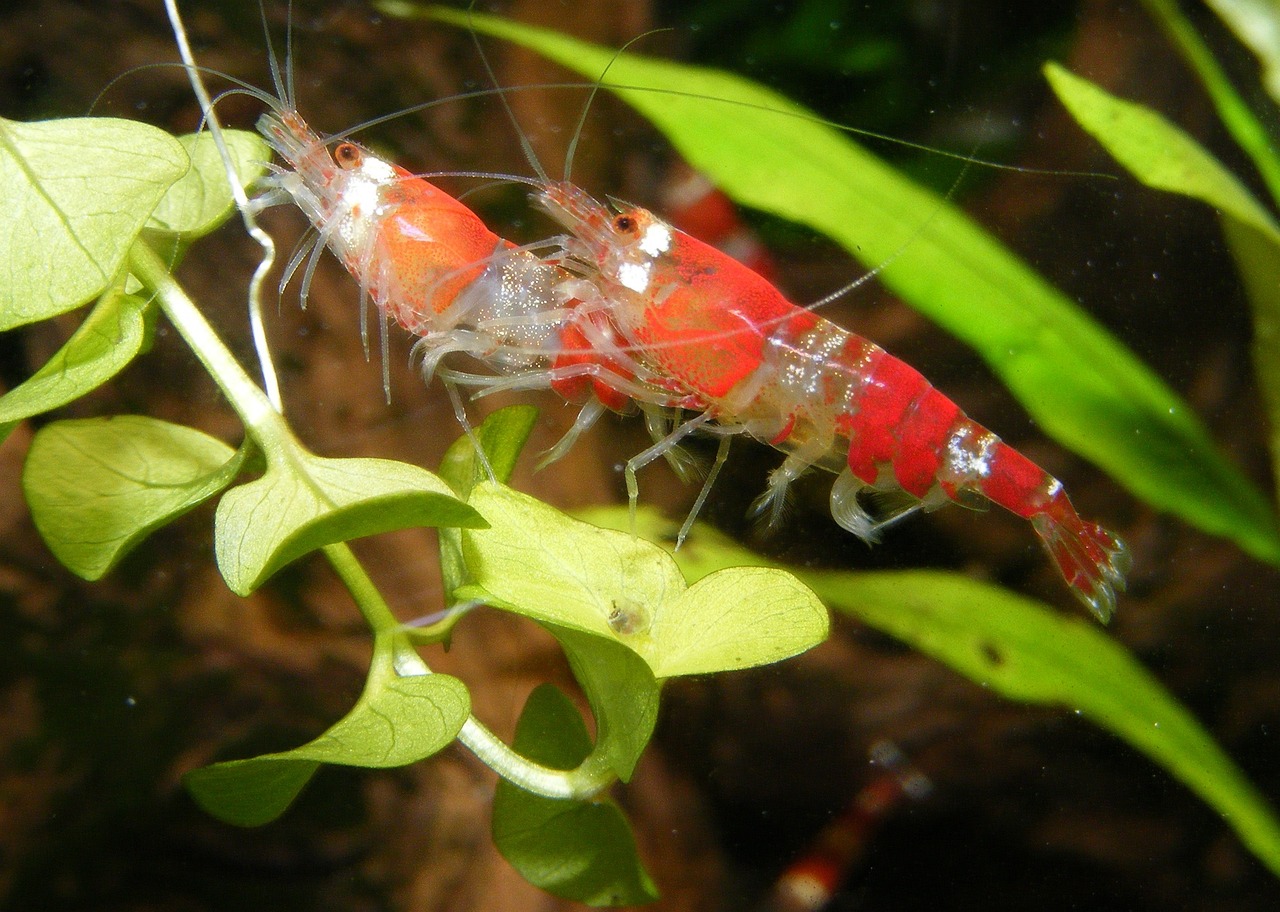
With a jet-black head and tail separated by a translucent midsection, carbon rili shrimp are one of the most visually striking Neocaridina davidi varieties available. This carbon rili shrimp care guide from Gensou Aquascaping at 5 Everton Park, Singapore, covers water parameters, feeding, selective breeding, and grading to help you build a thriving colony. Like all Neocaridina, they are beginner-friendly — but achieving consistent high-grade patterning takes a more deliberate approach.
What Makes a Carbon Rili
The “rili” pattern refers to a colour distribution where pigment concentrates in the head (carapace) and tail (uropods) while the middle segments remain clear or lightly tinted. In carbon rilis specifically, the pigmented areas are deep black, sometimes with a dark blue undertone. High-grade specimens show a crisp boundary between the black and clear zones with no stray speckling. Lower-grade shrimp may have scattered black spots across the clear section or brownish rather than true black colouration.
Tank Setup
A colony of 15-20 carbon rilis does well in a tank as small as 20 litres, though 40 litres gives you better water stability and room for the population to grow. Use an inert substrate like fine gravel, sand, or specialised shrimp soil — the dark background contrasts beautifully with the clear body sections. Java moss, Bucephalandra, and Anubias provide grazing surfaces and hiding spots for juveniles. A sponge filter is ideal: it provides gentle flow, oxygenation, and a biofilm-covered surface the shrimp constantly graze on.
Water Parameters
Neocaridina are adaptable, but carbon rilis display their best colour in stable conditions. Aim for pH 6.5-7.5, GH 6-10, KH 2-6, and a temperature of 22-26 °C. Singapore’s ambient warmth means your tank may hover at 28-30 °C without cooling, which is survivable but not ideal — shrimp metabolism speeds up, shortening lifespan from 18-24 months to roughly 12 months. A small fan blowing across the water surface drops temperature by 2-3 °C through evaporation and makes a noticeable difference to colony health.
Feeding
Shrimp are grazers first and foremost. Biofilm and algae growing naturally on surfaces form the bulk of their diet. Supplement two to three times per week with a quality shrimp-specific pellet — brands like Shrimp King, Glasgarten, and Borneo Wild are popular in Singapore, ranging from $8-18 per packet. Blanched spinach, mulberry leaves, and dried Indian almond leaves add variety and promote healthy moulting. Remove uneaten food after two hours to prevent water quality issues in small tanks.
Moulting and Mineral Balance
Successful moulting depends on adequate calcium and magnesium in the water. If your GH drops below 5, shrimp may experience failed moults — a common cause of sudden death. Add a mineral supplement like Salty Shrimp GH/KH+ to your water change water, or place a small piece of cuttlebone in the tank for slow calcium release. Watch for “white ring of death,” a visible white band around the midsection that indicates the old exoskeleton has cracked but the shrimp cannot fully shed it. Boosting GH promptly can save affected individuals.
Breeding and Colony Growth
Carbon rilis breed readily once established. Females carry 20-35 eggs in a saddle beneath the carapace, transferring them to the swimmerets after fertilisation. Incubation takes 28-35 days depending on temperature. Shrimplets are miniature versions of the adults and require no special food — they graze on biofilm immediately. In a well-maintained tank with no predators, a colony of 20 can grow to over 100 within four to five months. Culling or rehoming surplus shrimp keeps population density manageable.
Selective Breeding for Grade
To improve your colony’s patterning over time, practise culling. Remove shrimp that show undesirable traits — blotchy pigment in the clear zone, brown or grey instead of true black, or incomplete colour in the head and tail. Place culled shrimp in a separate tank rather than discarding them. Pair your highest-grade male and female and observe offspring at 4-6 weeks of age when patterns become clear. Consistent selection over 4-6 generations noticeably improves the proportion of high-grade shrimp in your colony.
Tankmates
Keep carbon rilis in a species-only tank for the best breeding results. If you want companions, choose only shrimp-safe species: Otocinclus catfish, small snails like Clithon or nerites, or very peaceful nano fish like Boraras brigittae. Avoid any fish with a mouth large enough to eat shrimplets — which rules out most community fish. Also avoid mixing with other Neocaridina colour varieties, as interbreeding produces wild-type brown offspring that dilute your carefully selected line. Gensou Aquascaping always advises one colour per tank for serious shrimp keepers.
Related Reading
- Orange Rili Shrimp Care Guide: Neocaridina Colour Morph
- Red Rili Shrimp Care Guide: Translucent Body With Red Patches
- Amano Shrimp Breeding Challenges: Larval Stages and Saltwater Phase
- How to Breed Amano Shrimp: The Challenging but Rewarding Process
- Amano Shrimp vs Cherry Shrimp: Which Is Better for Your Tank?



