
Gold Ring Butterfly Pleco L168 Care Guide: Hillstream Pleco Diet
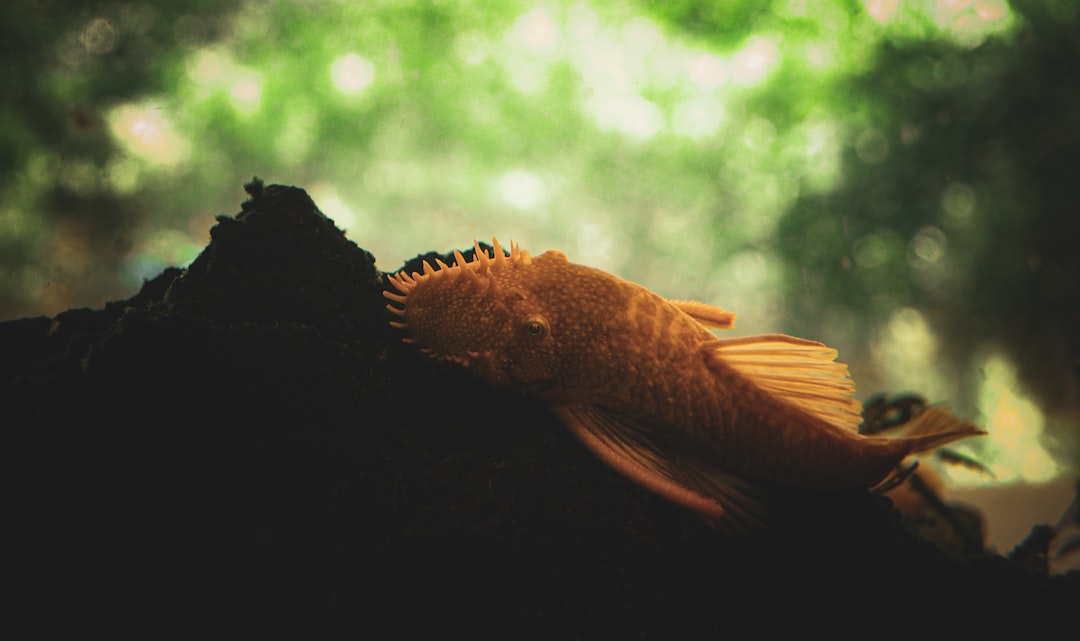
Hillstream plecos offer something most catfish cannot — a flat, disc-like body designed to cling to rocks in fast-flowing water. The gold ring butterfly pleco L168 care guide from Gensou Aquascaping Singapore draws on over 20 years of hands-on experience to help hobbyists maintain this striking loricariid. Known scientifically as Dekeyseria brachyura (L168), the gold ring butterfly pleco features a dark brown body adorned with concentric golden rings across its fins and flanks.
Species Profile
Dekeyseria brachyura originates from the Rio Negro and its tributaries in Brazil, where it inhabits rocky stretches with moderate to strong current. Adults grow to 12–15 cm in captivity. Their flattened profile and expanded pectoral fins give them a butterfly-like silhouette when viewed from above.
The L-number system classifies this species as L168. Several closely related species share a similar appearance, so sourcing from reputable importers ensures correct identification. In Singapore, specialty pleco dealers occasionally carry verified L168 stock.
Tank Requirements
Provide a minimum 120-litre aquarium for a single specimen. Larger tanks of 200 litres or more suit pairs or small groups. Rockwork, driftwood, and smooth river stones form the foundation of a suitable habitat. Caves fashioned from slate or PVC pipe give essential retreat options.
Strong water movement is crucial. A wavemaker or powerhead positioned to create directional flow across rock surfaces simulates their natural environment. Aim for a turnover rate of 10–15 times tank volume per hour. In HDB flats, position the tank on a reinforced cabinet — 200 litres of water plus hardscape weighs well over 220 kg.
Water Parameters
L168 prefers soft, acidic water: pH 5.5–7.0, GH 2–8 dGH, temperature 25–29 °C. Singapore’s PUB tap water is soft and slightly acidic after dechloramination, which aligns reasonably well with these requirements. Adding driftwood and Indian almond leaves further lowers pH naturally.
Pristine water quality is non-negotiable. Weekly 30 % water changes and efficient biological filtration keep nitrates below 20 ppm. A canister filter rated for double the tank volume complements the powerhead nicely.
Diet and Feeding
Gold ring butterfly plecos are primarily herbivorous with an appreciation for aufwuchs — the biofilm and algae coating that develops on submerged surfaces. Supplement with blanched courgette, cucumber, and spinach. Algae wafers and spirulina-based sinking pellets round out the staple diet.
Driftwood should always be present. Many loricariids rasp wood fibre for digestive health. Offer the occasional protein treat — frozen bloodworms or shrimp pellets once weekly — but keep the diet predominantly plant-based. Feed in the evening after lights dim, when these nocturnal fish are most active.
Behaviour and Tank Mates
L168 is generally peaceful but can be territorial with conspecifics if space is limited. Providing one cave per pleco reduces squabbling. Males tend to claim and defend specific rock shelters, especially during breeding condition.
Compatible tank mates include tetras, rasboras, corydoras, and other peaceful community fish that tolerate strong flow. Avoid housing with aggressive cichlids or other large plecos that compete for cave space. Shrimp and snails coexist without issue.
Breeding in Captivity
Captive breeding is achievable but uncommon. Males guard eggs inside caves, fanning them with their pectoral fins for aeration. Triggering spawning involves simulating a dry-season-to-wet-season transition: reduce water changes for two weeks, then perform large cool water changes of 40–50 % to mimic rainfall.
Clutches number 20–40 eggs. Fry hatch in five to seven days at 27 °C and absorb their yolk sac over another three to four days. First foods include powdered spirulina and aufwuchs scraped from mature rocks placed in the fry tank.
Health Considerations
Starvation is the leading cause of death among newly acquired plecos. Many arrive thin from import stress and need immediate access to food. Quarantine new arrivals in a separate tank with ample algae wafers and blanched vegetables for at least two weeks.
Watch for sunken belly — a visible concavity behind the pectoral fins indicates chronic underfeeding. Recovering an emaciated pleco is difficult, so prevention through consistent feeding is key.
Acquiring L168 in Singapore
Gold ring butterfly plecos appear in specialist shops and through importers who deal in L-number catfish. Prices typically range from $30–$60 depending on size and pattern quality. Shopee listings from established aquatic sellers are another option — check reviews and ask for photos before purchasing.
This gold ring butterfly pleco L168 care guide covers the essentials for success. Gensou Aquascaping Singapore encourages hobbyists to provide the strong flow and clean water these beautiful hillstream plecos demand — the reward is a genuinely unique fish that commands attention in any aquascape.
Related Reading
- Gold Nugget Pleco Breeding Guide: L018 Cave Spawning Challenges
- Gold Nugget Pleco Care Guide: The Showstopping L018
- African Butterfly Fish Care Guide: The Ancient Surface Predator
- African Butterfly Fish Feeding Guide: Live Food and Surface Prey
- African Butterfly Fish Tank Mates: Compatible Surface Companions



