
Lake Malawi Sand Dwelling Cichlids: Aulonocara and Lethrinops
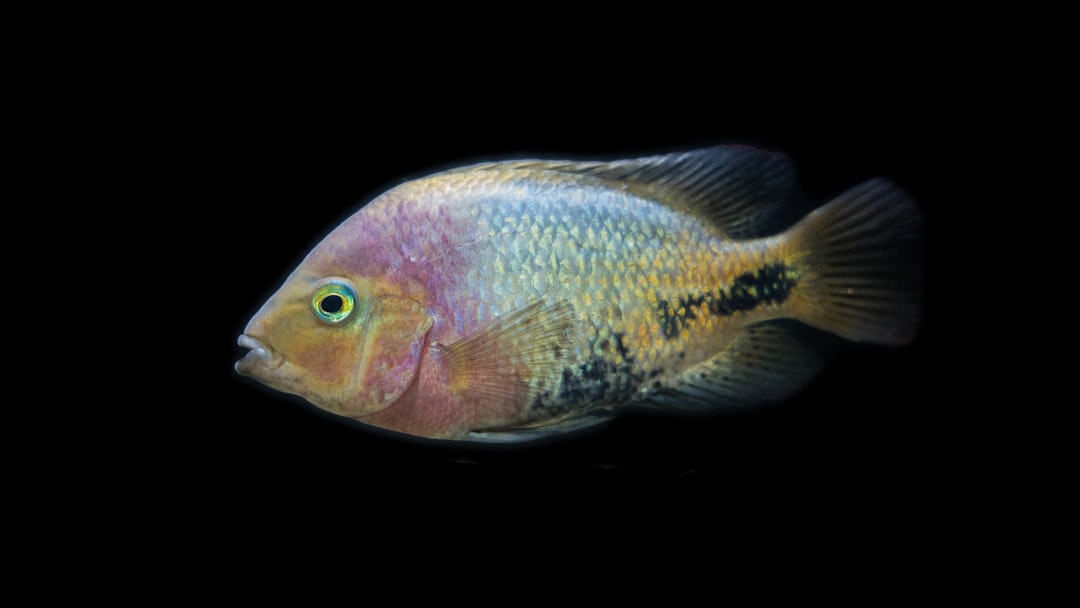
Most hobbyists picture Mbuna stacked rocks when they hear Malawi, but the lake’s sandy intermediate zone holds a quieter, more graceful community. Lake Malawi sand dwelling cichlids sift fine substrate for invertebrates, flash iridescent blues under open water, and rarely pick fights once their pecking order is settled. This guide from Gensou Aquascaping at 5 Everton Park walks through the Aulonocara peacocks, Lethrinops sifters, and utaka haps that share this habitat, along with the scaping and parameters that keep them thriving in a Singapore setup.
Quick Facts
- Recommended footprint: 150 cm minimum for mixed hap and peacock tanks
- Water: pH 7.8-8.6, GH 10-15, KH 8-12, TDS 300-450 ppm
- Temperature: 25-27 C (chiller recommended in Singapore)
- Substrate: fine silica or pool filter sand, 5-8 cm deep
- Hardscape: scattered boulders and flat rock outcrops, not stacked walls
- Feeding: sinking pellets plus frozen mysis and brine; avoid blackworm excess
- Males-only stocking of 8-12 fish works best to limit hybridisation
The Sandy Intermediate Zone
Between Malawi’s rocky reefs and the open lake bed sits a transitional habitat of sand, scattered boulders, and shell debris. Sand dwelling cichlids evolved to exploit this zone: Aulonocara species hunt by sensing vibrations through enlarged cephalic pores, while Lethrinops and Taeniolethrinops process mouthfuls of sand through their gills to extract invertebrates.
Recreating this zone means resisting the urge to fill the tank with rock. A 150 cm tank should have no more than 30 percent rock coverage, leaving long open sand runs where fish can feed and display naturally.
Water Chemistry for Malawi
Malawi sits slightly softer than Tanganyika but still demands hard alkaline water against Singapore’s soft tap. A Rift Lake salt mix dosed at every water change (around 1 tablespoon per 40 litres of Seachem Malawi/Victoria Buffer) holds the chemistry without crushed coral in the filter. Aragonite sand substrate provides a slow secondary buffer.
Nitrate control matters more than many keepers realise. Keep it under 20 ppm; chronic 40+ ppm nitrate is the main driver of Malawi bloat. Weekly 30 percent water changes are the sustainable target.
Species Spotlight: Aulonocara
Peacocks come in two groups: deep-water species (A. stuartgranti Ngara, Chilumba, Maulana) and shallow-water jacobfreibergi types. Deep-water peacocks need slightly cooler tanks and reveal full colour only when they feel unchallenged, so all-male or single-species setups work best. Budget $40-120 per F1 male locally, with wild-caught imports from Thomson-area shops double that.
A. jacobfreibergi fry boast tail extensions and thrive in more active tanks. They handle slightly warmer water than the deep-water types, making them a safer Singapore choice in flats without a chiller running 24/7.
Species Spotlight: Lethrinops and Taeniolethrinops
Lethrinops species are the true sand sifters. L. intermedius, L. lethrinus, and the red cap variants scoop, filter, and spit sand constantly, churning the substrate in a way that benefits the tank’s biology. They rarely exceed 15 cm and get along with peacocks of similar size.
Taeniolethrinops praeorbitalis hits 25 cm and needs a 180 cm tank minimum. Worth the investment if space allows; few cichlids are as entertaining as a mature male digging metre-wide bower pits.
Utaka Haps in the Mix
Open-water haps like Copadichromis borleyi or Placidochromis electra round out the stocking by occupying the midwater column. Keep them in groups of 5-7 with one dominant male, or all-male mixed groups for display tanks.
Hardscape and Aquascape Choices
Use pool filter sand (available at Thomson aquatic shops at around $15 per 25 kg bag) or fine silica sand. Avoid sharp aragonite grit; it scratches the sifters’ gills over time. Boulders should be rounded lava rock, Ryuoh, or large river pebbles, placed as isolated features rather than stacked walls.
Leave open sand runs of at least 60 cm between rock features. Males dig display pits there, and the courtship behaviour is the whole point of keeping these fish.
Stocking Strategy and Tank Mates
All-male Malawi hap and peacock tanks give peak colour with minimal aggression. Select species that differ in colour and body shape to reduce territorial overlap: one blue peacock, one yellow-orange species, one striped hap, one black-and-white species. Twelve males in 400 litres is a well-tested upper limit.
Avoid mixing sand dwellers with Mbuna. The dietary mismatch (Mbuna are herbivores, peacocks are carnivores) and aggression gap cause chronic stress. Synodontis catfish (S. lucipinnis, S. petricola) work as bottom tankmates without competition.
Feeding and Common Problems
Feed a carnivore-leaning pellet (NLS Cichlid Formula, Hikari Cichlid Gold sinking) as the staple, supplemented 2-3 times weekly with frozen mysis, krill, and a small amount of cyclops. Skip bloodworm and blackworm as staples; they correlate with bloat outbreaks in peacocks.
Bloat presents as stringy white faeces and loss of appetite. Treat immediately with metronidazole at 250 mg per 40 litres, three doses 48 hours apart. Catch it early and most fish recover.
Long-Term Setup Tips for Singapore
A 1/10 HP chiller holds 400 litres at 26 C comfortably. Pair it with a canister rated 6-8x turnover and a small powerhead for gentle surface disturbance. Lighting can be modest; these fish show colour under warmer spectrums (around 6500 K with a touch of actinic supplement) rather than the cool white often used for Mbuna.
Expect stable colour and active breeding behaviour by month six. A well-run lake Malawi sand dwelling cichlids tank is a long-term project, but few freshwater displays match its payoff.
Related Reading
Lake Malawi Biotope Aquascape
Aulonocara Jacobfreibergi Care Guide
Peacock Cichlid Care Guide
Dimidiochromis Compressiceps Care Guide
Aquascape for Mbuna Cichlid Rock Tank



