
Mikrogeophagus Altispinosa Bolivian Ram Breeding Guide
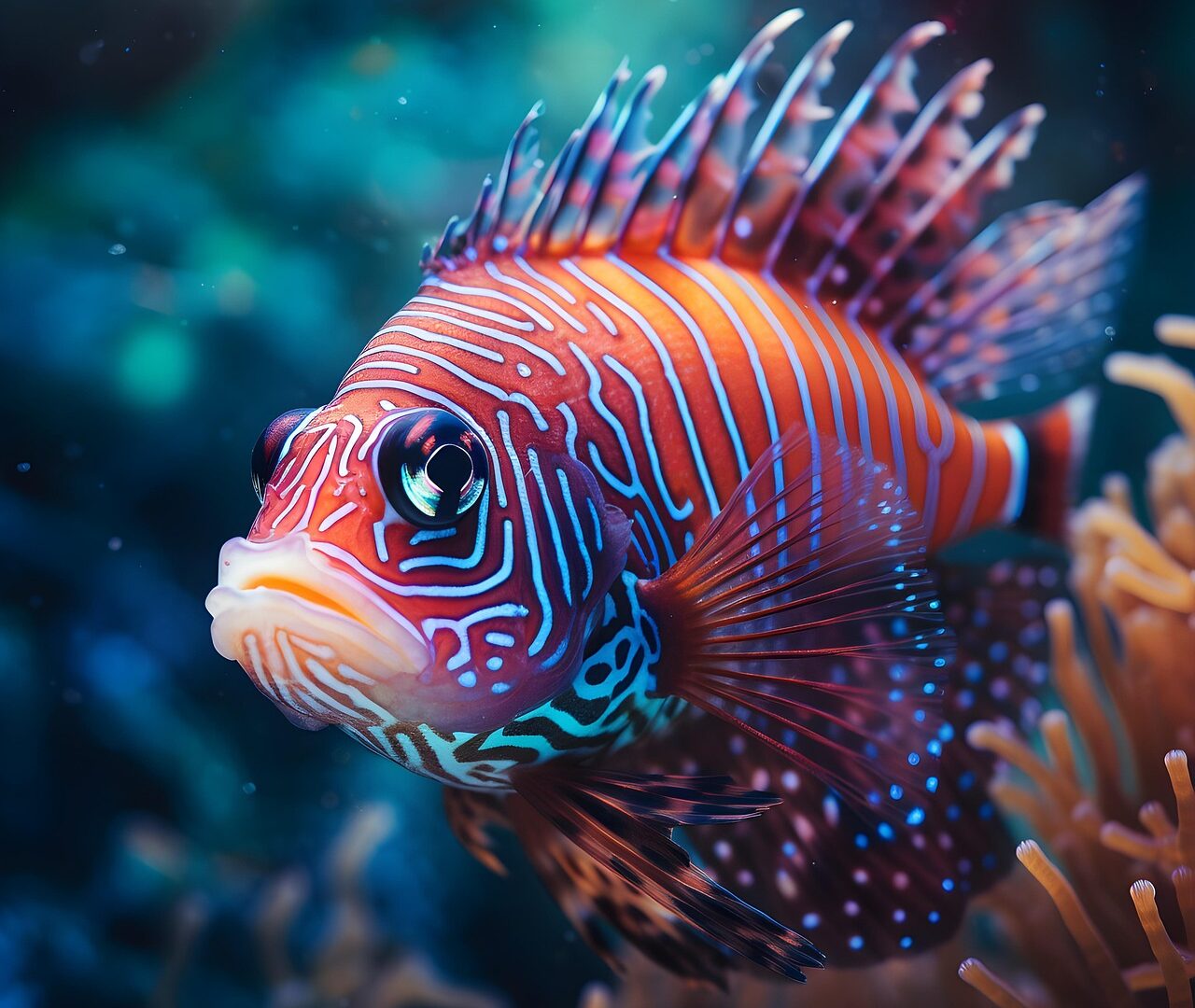
The Bolivian ram is the dwarf cichlid that finally earns the “easy” label that German Blue Rams never quite deserve. Steady mikrogeophagus altispinosa bolivian ram breeding works in moderately hard water that suits Singapore tap supply, and pairs spawn reliably without the parameter gymnastics blue rams demand. This guide from Gensou Aquascaping at 5 Everton Park covers pair selection, conditioning, spawning behaviour and fry rearing. Expect a project that rewards patience without punishing minor husbandry slips.
Bolivian Versus German Blue Rams and Choosing Stock
Bolivians (Mikrogeophagus altispinosa) come from cooler highland streams in Bolivia and tolerate temperatures from 23-27°C, where German blues (M. ramirezi) demand 28-30°C. Bolivians grow slightly larger to 8 cm, live longer at four to five years versus two to three for blues, and breed in harder water. The trade-off is duller coloration than the blue’s electric pattern.
Look for fish with full body weight, clear eyes, intact fins and active swimming. Pale specimens hiding in corners often carry hexamita or are stressed from shipping. The species ships better than blue rams but still suffers in poorly run import chains; ask shops when the stock arrived and feed status before buying.
Sexing the Species
Males grow larger with extended dorsal rays and pointed anal fins. Females stay smaller with rounded fin shapes and develop a pinkish belly when in spawning condition. Adult sexing is straightforward; juveniles under 4 cm are difficult to sex reliably and the easiest approach is to buy six juveniles and let pairs form naturally.
Tank Requirements
A pair needs 100 litres minimum with a 75 cm footprint. Sand substrate, smooth flat stones for spawning, driftwood and dim warm-spectrum lighting suit the species. Heavy planting around the perimeter with open swimming and feeding zones in the centre matches their natural foraging preference. Plan a peaceful community rather than a single-species tank; bolivians do best with dither fish.
Water Parameters
Temperature 24-27°C, pH 6.5-7.5, GH 6-12 and KH 4-8. Singapore PUB tap water sits within this range after dechlorination, which removes the need for RO blending. The species accepts a wider parameter band than most dwarf cichlids, which is the main reason it is recommended for Singapore beginners over German blues.
Conditioning Pairs
Feed twice daily with varied frozen foods (mysis, bloodworm, daphnia), occasional live blackworm and high-quality micro pellets. Two to three weeks of conditioning brings pairs into spawning condition. A 30% water change with slightly cooler water often triggers spawning within 48 hours of conditioning completion.
Spawning Behaviour
Pairs select a flat surface, clean it intensively, then spawn in a coordinated pattern with the female depositing eggs and the male fertilising in passes. Clutches range from 100-200 eggs. Both parents guard the eggs and fan them with pectoral fins, a charming behaviour visible across the tank.
Egg and Wriggler Care
Eggs hatch in 60-70 hours at 26°C. Parents move wrigglers to a shallow pit in the substrate where they remain for 4-5 days while absorbing yolk sacs. Bolivians are excellent parents and rarely eat broods even on their first attempt, which sets them apart from many other cichlids that need several practice spawns.
Free-Swimming Fry
Fry leave the pit at 7-9 days post-hatch and follow both parents in a tight group. Feed microworms, vinegar eels and freshly hatched brine shrimp three times daily. Crushed flake works as a supplement after fry exceed 1 cm. Parents continue to herd the fry for three to four weeks, providing protection that lets you grow out broods in the parent tank.
Tank Mates
Compatible with peaceful community species like lemon tetras, rummy nose tetras, corydoras and small rasboras. Avoid aggressive cichlids and very small shrimp which bolivians eat. Reference our bolivian ram care guide for broader stocking advice.
Common Issues
Hexamita causes pinhole lesions on the head and faded coloration; treat with metronidazole at 25 mg per litre over 10 days. Hole-in-the-head is rarely a problem in well-fed bolivians on varied diets. Bloat from poor flake quality affects fish on dry-only diets; switch to varied frozen and the issue resolves.
Sourcing and Project Outlook
Bolivian rams retail at $15-25 SGD per fish in Singapore, with proven breeding pairs at $60-100. Specialist freshwater shops in Clementi and along Thomson Road carry the species regularly. Tank-bred Asian stock acclimates faster than imported European fish at significantly lower cost. Compare against the german blue ram breeding guide approach if deciding between species.
A successful Bolivian pair spawns every four to six weeks for two to three years, producing manageable broods that local stores often buy back at $2-4 SGD per juvenile. The species offers a complete breeding-cichlid experience without the chiller, RO and parameter management that blue rams require, which makes it the practical choice for Singapore HDB keepers starting their first cichlid breeding project.
Related Reading



