



Freshwater Shark for Aquarium Species Guide: Compatibility
Pair the wrong species in a shark tank and you come home to a single survivor patrolling a suddenly quiet display. This freshwater shark for aquarium species guide from Gensou Aquascaping at 5 Everton Park focuses on compatibility — which sharks coexist, which combinations trigger death matches, and which communal fish survive alongside each shark type. Aggression in “sharks” is territory-driven, not size-driven, and the planning happens at stocking stage, not after the first fatality.
The Territorial Overlap Problem
Red-tail black, rainbow, and harlequin sharks share near-identical niches — bottom-oriented, cave-defending, cyprinid algae-grazers. Two of any of these species in the same tank almost always ends with one corpse unless the tank exceeds 250 cm. The driver is not size but overlapping territorial claim. Species with different water column preferences cohabit fine. The fish and livestock category includes tank mate species that avoid shark territories.
Can You Keep Two Sharks Together?
Shoaling species yes, territorial species no. Five bala sharks together thrive because they school. Two rainbow sharks together fight to the death. A bala and a red-tail coexist because column niches differ — balas swim mid-to-upper, red-tails patrol bottom. Silver Apollo with rainbow also works since Apollo stays surface level. Mixing two bottom-niche territorial species fails 95 percent of the time regardless of tank size under 250 cm.
Compatible Tank Mates
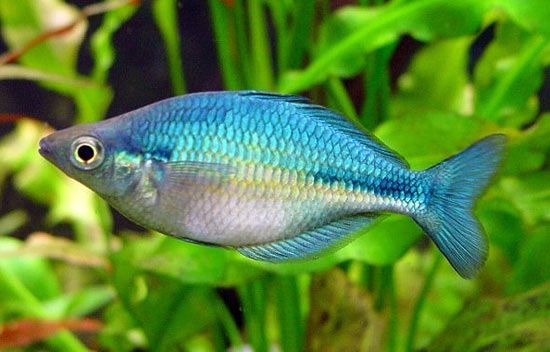
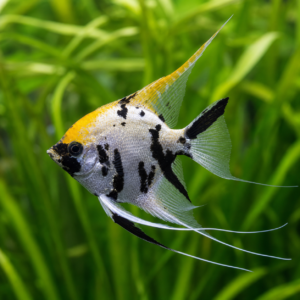
Mid-column community fish suit most sharks: silver dollars, tinfoil barbs, rainbow fish, angelfish, Congo tetras, clown loaches (with caveats), pictus catfish. They occupy middle water while sharks patrol bottom or surface. Choose tough-bodied species — long flowing fins of fancy guppies or angelfish get nipped by rainbow sharks when stressed. Browse the tropical fish category for column-appropriate stock.
Incompatible Tank Mates
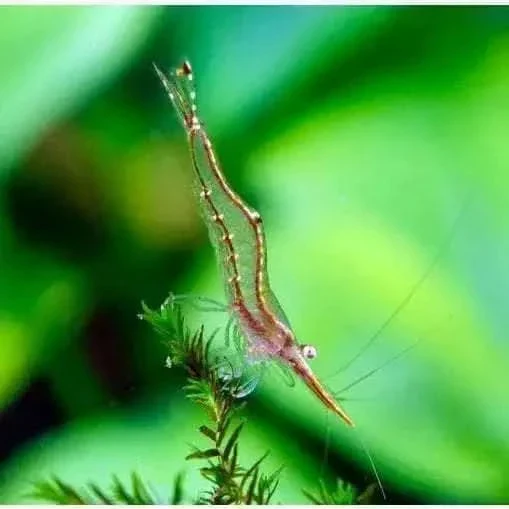
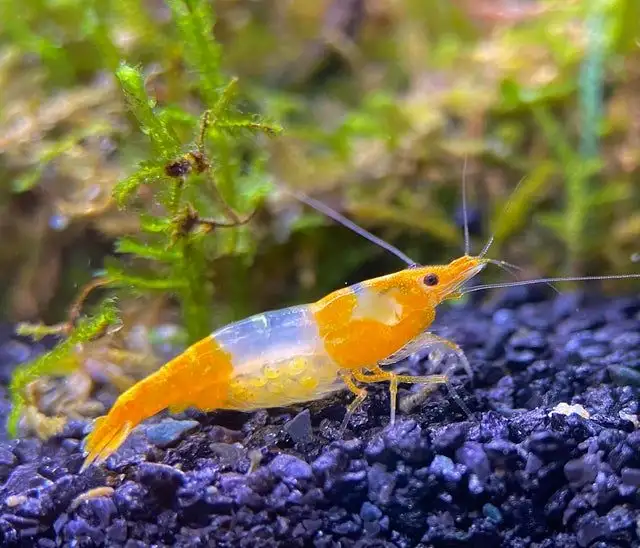
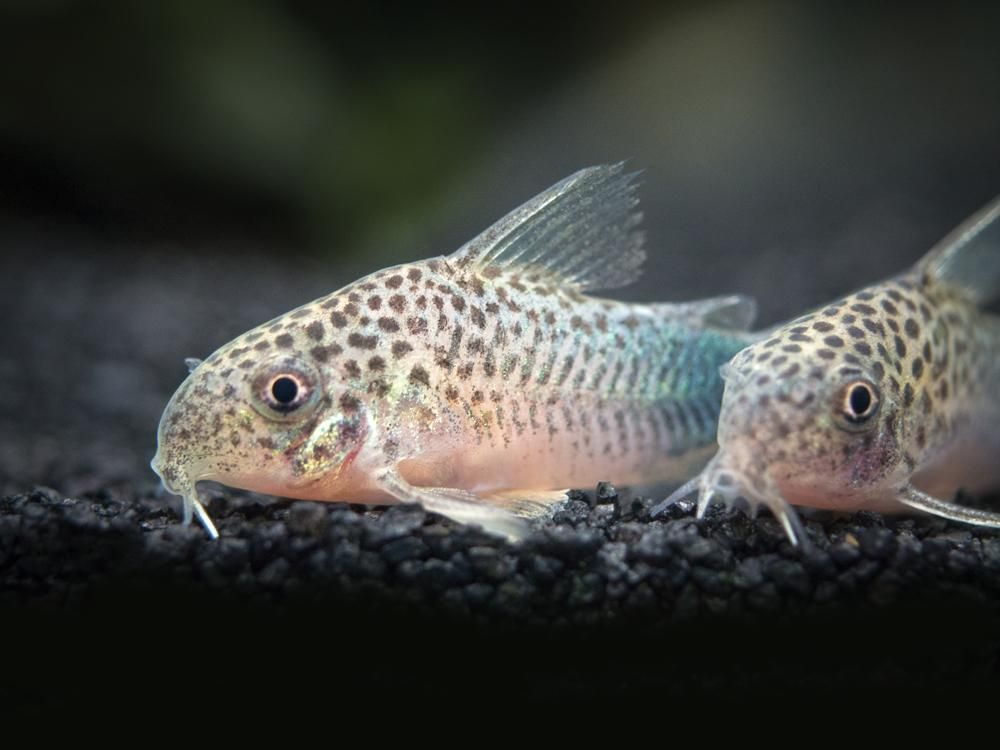
Avoid small tetras and rasboras under 3 cm — viewed as snacks. Skip bottom-feeders that overlap shark niche: Siamese algae eaters, flying fox, other labeo species, larger plecos. Slow long-finned fish like bettas or veil angelfish get fin-nipped. Shrimp and snails become expensive food rather than algae crew. Corydoras sometimes work if the shark is mellow, but the territory overlap makes it risky in tanks under 200 litres.
Bala Shark Compatibility
Peaceful schooler fitting with rainbow fish, tinfoil barbs, silver dollars, angelfish, larger gouramis, Congo tetras and medium-sized cichlids like severums. Skip aggressive tank mates that bully — balas stress and jump. A 6-foot tank with five balas plus a shoal of Congo tetras plus two angelfish makes a beautiful show. Add bogwood and open swimming space; avoid overly cluttered hardscape.
Red-Tail and Rainbow Shark Setups
One red-tail or one rainbow in a tank of 200 litres plus, paired with mid-column species that avoid the bottom. Classic combos: five silver dollars plus one red-tail plus three angelfish in a 250-litre tank. Or a rainbow shark with tinfoil barbs and a group of giant danios. Never both species at once. Avoid overcrowded stocking that forces the shark to see every fish as a territory threat.
Water Parameter Common Ground
Most Asian-origin sharks (red-tail, rainbow, bala, Apollo) tolerate pH 6.5-7.5, GH 5-15, 22-28 °C — Singapore PUB tap works once dechlorinated. West African harlequin prefers slightly softer water. Temperate high-fin banded shark needs 20-24 °C and a chiller from the equipment category. Verify the chosen shark and tank mates overlap on all three parameters before combining.
Hardscape That Defuses Aggression
Caves, rockwork and driftwood break sight lines and give lesser-ranked fish escape routes. Three distinct territories across the tank (left cave, right rockpile, central driftwood) let a territorial shark claim one while other fish use the rest. Open-glass tanks with minimal scape amplify aggression — the shark sees every fish at all times. Pin Anubias and Java fern to wood rather than planted substrate, since some sharks dig.
Stocking Sequence
Add the shark last. Established tank mates claim territories first; the shark enters to find available real estate rather than evict existing residents. This simple sequencing reduces aggression dramatically. Rearranging hardscape before adding the shark also resets territorial memory in the tank — a useful reset trick if you introduce a second fish species later.
Singapore Buying Notes
C328 Clementi and Qian Hu stock red-tail and rainbow sharks at SGD 10-18 juveniles. Bala juveniles SGD 8-15 but quickly outgrow most tanks. Iwarna occasionally imports less common Apollo or harlequin at SGD 20-35. Inspect for clamped fins and hollow bellies — both signal poor shipment handling. Mature fish are rarely sold; nearly everything moves at 5-8 cm juvenile size in the local trade.
Related Reading



