
Rummy Nose Tetra Breeding Guide: Spawning Hemigrammus Rhodostomus at Home
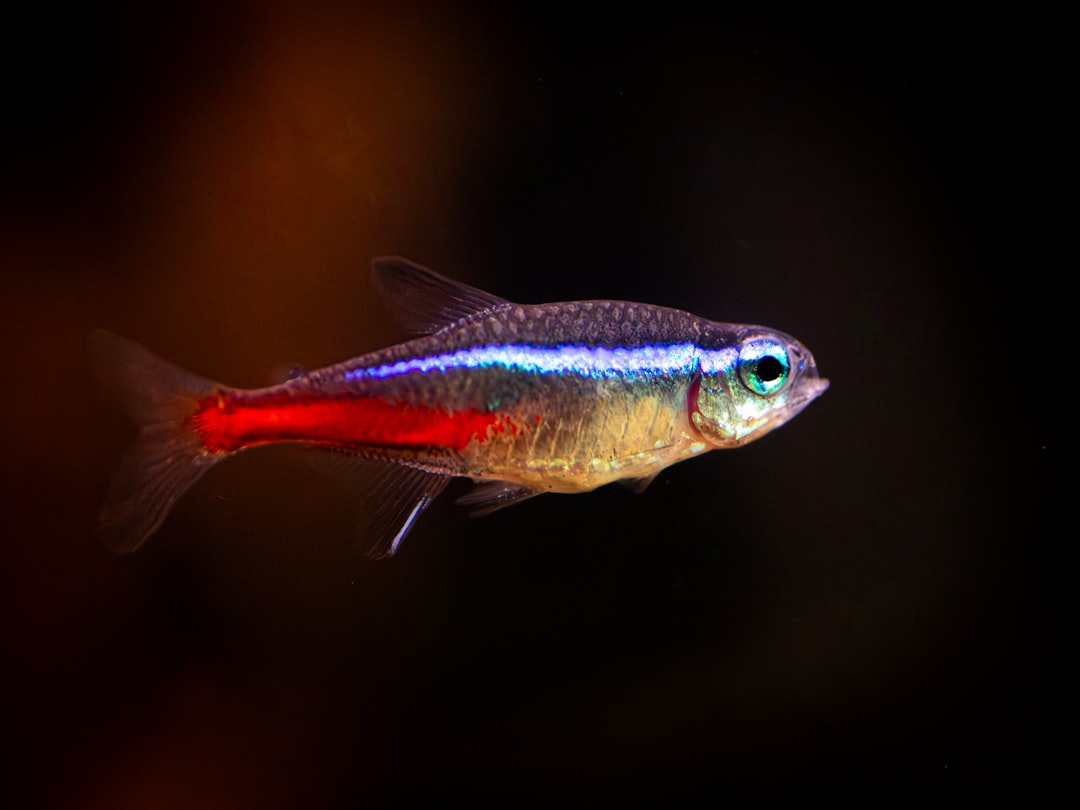
Rummy nose tetras are among the most admired schooling fish in the hobby, but breeding them at home remains a genuine challenge. This rummy nose tetra breeding guide from Gensou Aquascaping, 5 Everton Park, Singapore, draws on over 20 years of hands-on experience to walk you through every step, from selecting a breeding pair to raising the tiny fry. While not as straightforward as breeding livebearers, success is absolutely achievable with the right preparation and water conditions.
Understanding the Species
Hemigrammus rhodostomus, the true rummy nose tetra, hails from soft, acidic blackwater tributaries in the Amazon basin. Two closely related species, Hemigrammus bleheri and Petitella georgiae, are often sold under the same common name. All three breed under similar conditions, but H. bleheri is the variety most commonly available in Singapore shops along Serangoon North Avenue 1 and at C328 Clementi.
Adults reach about 5 cm and live 5-8 years. Their brilliant red nose colouration intensifies with good water quality, making it an instant health indicator.
Selecting and Conditioning Breeders
Choose healthy adults aged 10-18 months with strong red noses and plump bodies. Females appear slightly rounder when viewed from above, especially when gravid. Males tend to be slimmer with a marginally more intense red head patch.
Separate males and females for two weeks before the breeding attempt. Feed a protein-rich diet of live or frozen daphnia, baby brine shrimp, and bloodworms twice daily. This conditioning period triggers egg production in females and improves sperm quality in males.
Setting Up the Breeding Tank
A 30-45 litre tank works well for a breeding trio of one female and two males. Keep the tank bare-bottomed for easy cleaning, but add a generous clump of fine-leaved plants like Java moss or spawning mops to catch the eggs. A sponge filter provides gentle aeration without creating currents strong enough to scatter eggs.
Cover three sides of the tank with dark card or background film. Rummy noses prefer dim conditions for spawning. Subdued lighting or even darkness for the first 12 hours after introducing the fish encourages natural behaviour.
Critical Water Parameters
Water chemistry is where most attempts fail. Rummy nose tetras require very soft, acidic water to spawn. Target a pH of 5.5-6.5, GH below 4, and KH near zero. Singapore’s PUB tap water is already soft at GH 2-4, giving you a useful head start, but you may still need RO water to push hardness lower.
Temperature should sit at 26-28°C, which is easy to maintain in Singapore without a heater. A slight temperature drop of 1-2°C followed by a gradual rise simulates the rainy season trigger that prompts spawning in the wild. Simply perform a 30% water change with slightly cooler RO water in the evening.
Spawning Behaviour
When conditions align, males begin chasing the female in tight circles, often in the early morning hours. The female scatters adhesive eggs among fine-leaved plants. A single spawning can produce 100-300 eggs, though first-time females may only release 50-80.
Remove the adults immediately after spawning, as they will eat every egg they find. The eggs are tiny, translucent, and slightly amber-tinted. Infertile eggs turn white within 12 hours and should be siphoned out to prevent fungus spreading.
Egg and Fry Care
Eggs hatch in 24-36 hours at 27°C. The fry are minuscule and cling to surfaces for the first 3-4 days while absorbing their yolk sacs. Once free-swimming, they need infusoria or liquid fry food for the first week. After that, transition to freshly hatched brine shrimp nauplii, which are small enough for their tiny mouths.
Maintain impeccable water quality with daily 10% water changes using aged water of the same parameters. Even small ammonia spikes can wipe out an entire batch. Keep the tank dimly lit for the first two weeks, as bright light stresses the fry.
Growing Out the Fry
Growth is slow compared to species like guppies. Expect fry to reach 1.5 cm after about six weeks and develop their characteristic red nose colouration around the eight-week mark. Feed three to four times daily in small amounts, alternating between baby brine shrimp and crushed high-quality flake food.
At three months, juveniles can join a community tank with peaceful tankmates. A group of home-bred rummy noses schools tighter than wild-caught specimens, as they have never experienced the stress of collection and shipping. That tight, synchronised schooling behaviour is the ultimate reward for your patience and effort.
Related Reading
- False Rummy Nose Tetra Care Guide: Easier Alternative to the Real Thing
- Rummy Nose Rasbora Care Guide: Sawbwa resplendens Red Nose
- How to Aquascape for a Rummy Nose Tetra Shoal: Open Swimming Space
- Amano Shrimp Breeding Challenges: Larval Stages and Saltwater Phase
- Amano Shrimp Breeding: Why It Is So Difficult and How to Try



