
Sulawesi Cardinal Shrimp Care Guide: Caridina Dennerli in Hot Alkaline Water
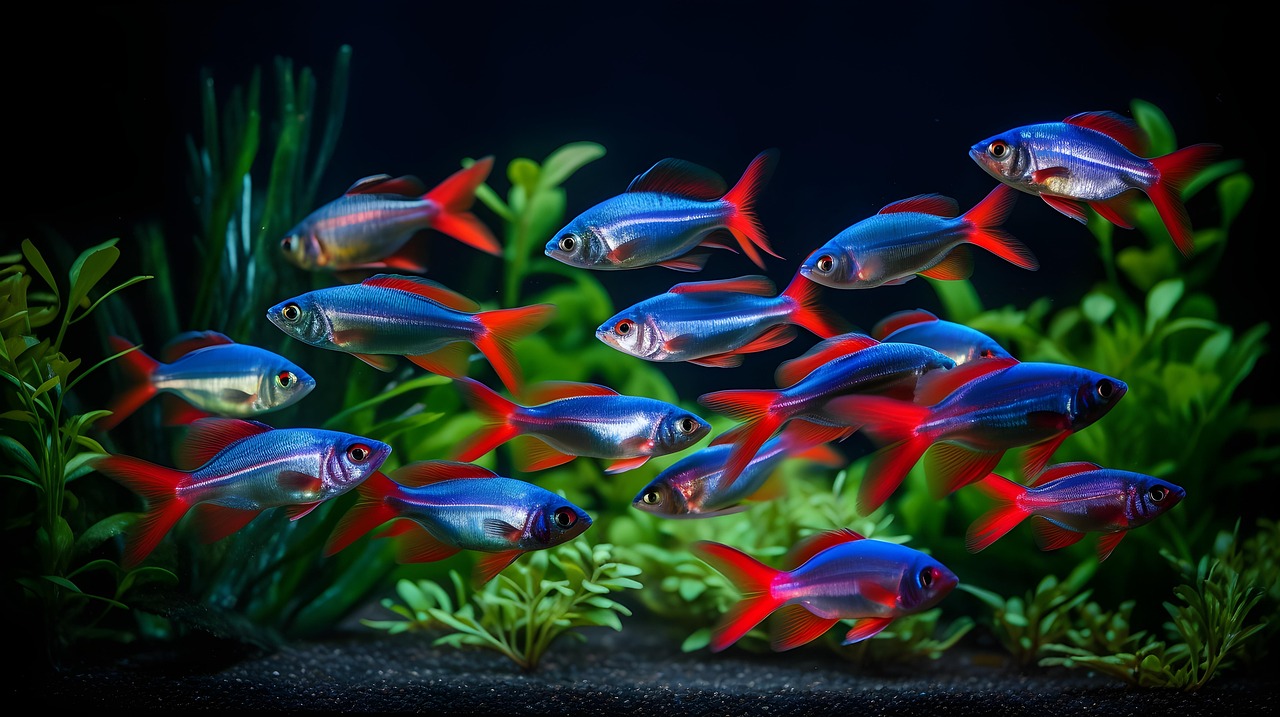
Deep red bodies punctuated by brilliant white spots make the Sulawesi cardinal shrimp one of the most visually arresting freshwater invertebrates in the hobby. Caridina dennerli hails from Lake Matano in Sulawesi, Indonesia, where it inhabits warm, alkaline water around rocky substrates. Keeping them successfully demands precision, but Singapore’s tropical climate eliminates the single biggest obstacle most temperate-country hobbyists face: maintaining high temperatures. This sulawesi cardinal shrimp care guide distils the practical knowledge we have built at Gensou Aquascaping, 5 Everton Park, Singapore, over years of working with this demanding species.
Understanding Their Natural Habitat
Lake Matano is one of the oldest and deepest lakes in Southeast Asia, with remarkably stable water chemistry: temperatures between 28 and 30 degrees Celsius, pH of 7.8 to 8.5, and moderate hardness around GH 6 to 8. The lake bed is composed of laterite rock and iron-rich sediment, and cardinal shrimp spend their time grazing biofilm from rock surfaces. Replicating these conditions is the key to long-term success. Unlike Neocaridina or even Caridina cantonensis, cardinal shrimp are genuinely intolerant of parameter swings.
Tank Setup for Cardinal Shrimp
A species-only tank of 20 to 40 litres is ideal. Use inert substrate such as fine sand or bare-bottom setups. Avoid active buffering soils like ADA Amazonia, which lower pH and soften water, the exact opposite of what cardinals require. The most important element is porous rock. Lava rock, Sulawesi stone, or any rough-textured hardscape provides the biofilm grazing surfaces that sustain these shrimp. Stack rocks to create caves and crevices where shrimp shelter and moult.
Filtration should be gentle. A small sponge filter or a hang-on-back filter with a sponge pre-filter prevents shrimplets from being sucked in. Lighting can be moderate; enough to encourage biofilm growth on rock surfaces without promoting excessive algae. Plants are optional. Hardy species like Anubias, Bucephalandra, and Java moss tolerate the alkaline, warm conditions and provide additional grazing surfaces.
Water Parameters
Temperature: 27 to 30 degrees Celsius. Singapore homes without air conditioning naturally sit in this range, which is a genuine advantage. pH: 7.5 to 8.5. GH: 6 to 8. KH: 4 to 6. TDS: 150 to 250 ppm. PUB tap water at GH 2 to 4 and pH around 7.0 needs adjustment. Salty Shrimp Sulawesi Mineral 8.5, remixed into RO or dechlorinated tap water, is the most reliable method. Some keepers use a mix of 50 per cent RO water and 50 per cent remineralised water to hit the target range precisely.
Perform small, frequent water changes of 10 to 15 per cent weekly rather than large changes that risk parameter swings. Match the replacement water’s temperature and mineral content exactly before adding it to the tank. Drip the new water in slowly over 30 minutes. Cardinal shrimp deaths following water changes are almost always caused by abrupt parameter shifts.
Feeding
Cardinal shrimp are primarily biofilm grazers. In a mature tank with established rock surfaces, they spend most of the day picking at microscopic organisms. Supplemental feeding should be light: a small pinch of powdered shrimp food such as Bacter AE, crushed spirulina flakes, or blanched and finely chopped spinach two to three times per week. Overfeeding fouls water quickly in small volumes, and cardinals are far less tolerant of elevated nitrate than Neocaridina. Remove uneaten food after two hours.
Breeding Cardinal Shrimp
Breeding is possible but slow compared to Neocaridina. Females carry 10 to 15 relatively large eggs for four to five weeks. The babies emerge as miniature versions of the adults, skipping any larval stage. Survival rates improve dramatically in tanks with abundant biofilm and no fish predators. A colony of 15 to 20 shrimp in a stable, mature tank will reproduce steadily, though do not expect rapid population growth. Patience is essential with this species.
Tank Mates
A species-only tank yields the best results. If you must add companions, small Sulawesi snails such as rabbit snails (Tylomelania spp.) share identical water requirements and pose no threat. Avoid all fish. Even small, peaceful species like microrasboras will predate on shrimplets and stress adults. Other Sulawesi shrimp species, including Caridina spongicola and Caridina lanceolata, can be kept together provided the tank is large enough.
Common Mistakes and Troubleshooting
The most frequent error is using buffering substrate, which drives pH below 7.0 and kills cardinals within days. The second is performing large water changes with improperly matched replacement water. The third is starting with too few shrimp. Cardinal shrimp are social and display more natural behaviour in groups of at least ten. Starting with fewer increases stress and reduces breeding success.
If shrimp are lethargic, check dissolved oxygen levels. Warm water holds less oxygen, and in Singapore’s heat, surface agitation or an air stone may be necessary. Deaths without visible cause often trace back to copper contamination from old plumbing or untreated tap water. Always use a quality dechlorinator that neutralises heavy metals.
The sulawesi cardinal shrimp care guide is not for beginners, but intermediate hobbyists who have mastered Neocaridina and crystal shrimp will find cardinals a deeply rewarding next step. Gensou Aquascaping stocks captive-bred cardinals whenever available and can supply the exact remineralisers and equipment you need to succeed.
Related Reading
- Rainbow Shrimp Sulawesi Care Guide: Caridina Dennerli Conditions
- Sulawesi Shrimp Care Guide: Rare Jewels From Ancient Lakes
- Amano Shrimp Breeding Challenges: Larval Stages and Saltwater Phase
- How to Breed Amano Shrimp: The Challenging but Rewarding Process
- Amano Shrimp Breeding: Why It Is So Difficult and How to Try



