
Angelfish Care Guide: The Majestic Freshwater Cichlid
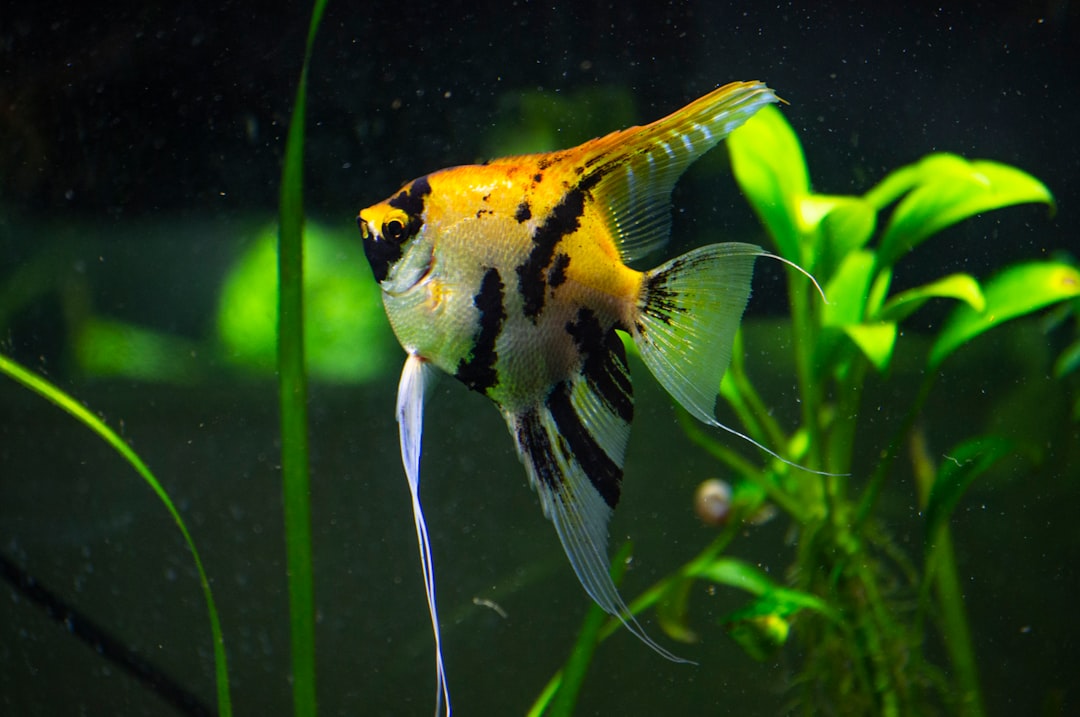
Few freshwater fish command attention quite like the angelfish. With their tall, laterally compressed bodies and trailing fins, Pterophyllum scalare have earned their place as one of the most iconic aquarium fish in the hobby. Originating from the slow-moving rivers and floodplains of the Amazon basin, angelfish bring genuine elegance to any setup — and their preference for warm water makes them wonderfully suited to Singapore’s tropical climate. This guide sits inside our broader Tropical Fish Species Master Index reference.
Whether you are setting up your first community tank or planning a dedicated angelfish display, this comprehensive angelfish care guide covers everything you need to know about keeping these majestic cichlids happy and healthy in a Singapore home aquarium.
Species Overview and Varieties
The common freshwater angelfish belongs to the genus Pterophyllum, with P. scalare being the species most widely available in the aquarium trade. Decades of selective breeding have produced a stunning range of colour varieties, each with its own appeal.
Popular Angelfish Varieties
- Silver — The classic wild-type colouration with vertical black bars on a silver body. Timeless and hardy.
- Marble — Irregular black and white patterning. No two marble angelfish look exactly alike.
- Koi — White, orange and black colouration reminiscent of Japanese koi carp. Highly popular in Singapore.
- Black — Solid or near-solid black colouration. Dramatic against green planted backgrounds.
- Veil — Not a colour morph but a fin type. Extended, flowing fins that trail beautifully but are more prone to nipping damage.
- Platinum — Clean white or silvery-white body with minimal markings.
- Gold — Warm golden-yellow base colour. Striking under good lighting.
All varieties share the same care requirements. When selecting angelfish at your local fish shop, look for active individuals with erect fins, clear eyes and no signs of clamped fins or white spots.
Tank Requirements
Angelfish are not small fish. A fully grown adult can reach 15cm or more in body length and stand even taller from dorsal to anal fin tip — sometimes exceeding 20cm in total height. This vertical dimension is crucial when choosing a tank.
| Parameter | Recommendation |
|---|---|
| Minimum tank volume | 150 litres for a pair |
| Ideal tank volume | 200-300 litres for a small group |
| Minimum tank height | 45cm (taller is better) |
| Filtration | Moderate flow; canister or hang-on-back |
| Substrate | Sand or fine gravel |
| Lighting | Moderate; suits planted tanks |
A tall tank is non-negotiable. Standard “long” format tanks may not provide sufficient vertical swimming space. For HDB or condo setups, a tank measuring at least 90cm long by 45cm wide by 50cm tall is a solid starting point for a group of four to six angelfish.
Decorate with tall driftwood, broad-leaved plants like Amazon swords and Echinodorus species, and provide some open swimming space. Angelfish appreciate having vertical structures that mimic the submerged roots and vegetation of their natural habitat.
Water Parameters for Singapore
Here is the good news for Singapore fishkeepers: angelfish thrive in warm water, and our ambient temperatures of 28-32°C fall right within their comfort zone. In most cases, you will not need a heater — though a chiller is also unnecessary unless your tank sits in direct afternoon sun.
| Parameter | Ideal Range |
|---|---|
| Temperature | 26-30°C |
| pH | 6.0-7.5 |
| GH | 3-10 dGH |
| KH | 3-8 dKH |
| Ammonia/Nitrite | 0 ppm |
| Nitrate | Below 20 ppm |
Singapore’s PUB tap water typically sits at pH 7-8, which is slightly above the ideal range for angelfish. Captive-bred angelfish — which is what most local shops stock — generally adapt well to this pH. If you wish to lower it, driftwood and Indian almond leaves offer a natural approach. Always treat tap water with a dechlorinator that neutralises chloramine, which PUB uses rather than chlorine.
Feeding and Diet
Angelfish are omnivores with a healthy appetite. In the wild, they feed on small invertebrates, insects and plant matter. In the aquarium, offer a varied diet for the best colouration and health.
- Staple — High-quality cichlid pellets or flakes (choose slow-sinking types)
- Protein — Frozen bloodworms, brine shrimp, mysis shrimp (2-3 times per week)
- Vegetable — Spirulina-based foods or blanched vegetables occasionally
- Live foods — Daphnia and mosquito larvae as treats (mosquito larvae are easy to culture in Singapore’s climate)
Feed two to three times daily for juveniles, reducing to once or twice daily for adults. Offer only what they can consume within two to three minutes to avoid fouling the water.
Behaviour and Temperament
Many beginners purchase angelfish expecting a peaceful community fish. While juveniles are generally well-behaved, it is important to understand that angelfish are cichlids — and as they mature, they develop territorial instincts.
Young angelfish school together harmoniously, but as they reach sexual maturity at around 6-10 months, natural pair bonds form and aggression increases. A mated pair will defend their chosen spawning site vigorously, chasing away other fish that venture too close.
Managing Aggression
- Keep angelfish in groups of five or more to spread aggression — pairs in smaller groups tend to bully the remaining fish relentlessly.
- Provide line-of-sight breaks with tall plants and driftwood.
- Ensure the tank is large enough that subordinate fish can retreat to their own territory.
- Watch for persistent bullying. Occasionally, one individual simply will not be tolerated by the dominant pair and must be rehomed.
Suitable Tank Mates
Choosing tank mates for angelfish requires one critical consideration: if a fish can fit in an angelfish’s mouth, it will eventually end up there. Adult angelfish have surprisingly large mouths and are fully capable of swallowing small tetras whole.
Good Tank Mates
- Corydoras catfish — Peaceful bottom dwellers that stay out of the angels’ way
- Larger tetras — Rummynose, Congo and ember tetras (in large groups)
- Bristlenose plecos — Hardy algae eaters that coexist well
- Dwarf gouramis and honey gouramis — Generally peaceful enough
- Kuhli loaches — Nocturnal and stay near the bottom
Poor Tank Mates
- Neon tetras — Too small; will become expensive snacks
- Fin nippers — Tiger barbs and serpae tetras will shred those flowing fins
- Aggressive cichlids — Convicts, Jack Dempseys and other aggressive species
- Small shrimp — Cherry shrimp and similar will be hunted
Pairing and Breeding
Breeding angelfish is one of the most rewarding experiences in the freshwater hobby. The best approach is to raise a group of six or more juveniles together and allow them to pair naturally. You will know a pair has formed when two fish begin defending a vertical surface — typically a broad leaf, a piece of slate or even the aquarium glass.
The Breeding Process
- Site cleaning — The pair meticulously cleans their chosen spawning surface over several days.
- Egg laying — The female deposits rows of adhesive eggs on the vertical surface, and the male follows immediately to fertilise them. A clutch can contain 100-300+ eggs.
- Parental care — Both parents fan the eggs with their pectoral fins to maintain water flow and remove fungused eggs. This is fascinating to observe.
- Hatching — Eggs hatch in approximately 48-60 hours at Singapore temperatures.
- Free-swimming fry — After absorbing their yolk sacs (another 4-5 days), the fry become free-swimming. Both parents herd them protectively.
First-time parents often eat their eggs. This is normal — give them a few attempts and they usually improve. Feed free-swimming fry with baby brine shrimp or microworms.
Common Health Issues
Angelfish are reasonably hardy but susceptible to a few conditions.
- Ich (white spot disease) — Common after temperature drops or stress. Raise temperature to 30°C and treat with a suitable medication.
- Fin rot — Usually a sign of poor water quality. Address the root cause with water changes and improve filtration.
- Angelfish virus (Pterophyllum Iridovirus) — A serious viral disease. Quarantine new arrivals for two weeks before adding them to an established tank.
- Internal parasites — Wild-caught or poorly maintained stock may carry internal parasites. Symptoms include white, stringy faeces and weight loss.
Regular aquarium maintenance — weekly water changes of 25-30% — goes a long way toward preventing most diseases.
Frequently Asked Questions
How many angelfish can I keep in a 150-litre tank?
A 150-litre tank comfortably houses a pair of angelfish with a small number of tank mates. If you wish to keep a group for natural pairing, start with six juveniles in a 200-litre or larger tank. Once a pair forms, you may need to rehome the remaining individuals.
Do angelfish need a heater in Singapore?
In most HDB and condo environments, no. Singapore’s ambient temperature keeps aquarium water at 28-30°C, which suits angelfish perfectly. A heater is only necessary if your tank is in an air-conditioned room that drops below 26°C for extended periods.
Can I keep angelfish with neon tetras?
This is one of the most common misconceptions in the hobby. While juvenile angelfish may coexist with neon tetras temporarily, adult angels will almost certainly eat them. If you want small tetras, choose species large enough to avoid predation, such as rummynose or lemon tetras. For a dedicated neon tetra setup, see our neon tetra care guide.
Why are my angelfish fighting?
Aggression typically increases when angelfish reach maturity and begin pairing. A mated pair will defend their territory against all other fish. Solutions include increasing tank size, adding visual barriers with plants and decor, keeping a larger group to diffuse aggression, or rehoming fish that are being persistently bullied.
Related Reading
- Platinum Angelfish Care Guide: Silver Elegance for Tall Tanks
- Blue Acara Cichlid Care Guide: The Overlooked Gem
- Acei Cichlid Care Guide: The Peaceful Mbuna Exception
- African Butterfly Fish Care Guide: The Ancient Surface Predator
- African Butterfly Fish Feeding Guide: Live Food and Surface Prey
Start Your Angelfish Journey
Angelfish remain one of the freshwater hobby’s most rewarding species. Their grace, variety and fascinating breeding behaviour make them a centrepiece fish that never grows old. With the right tank size, stable water conditions and thoughtful tank mate selection, they will thrive for years in your Singapore home.
Looking for the perfect setup for your angelfish? Gensou has over 20 years of experience designing and maintaining custom aquariums in Singapore. Visit us at 5 Everton Park or get in touch — we would love to help you create a stunning angelfish display.



