
Cherry Barb Care Guide: Peaceful, Hardy and Colourful
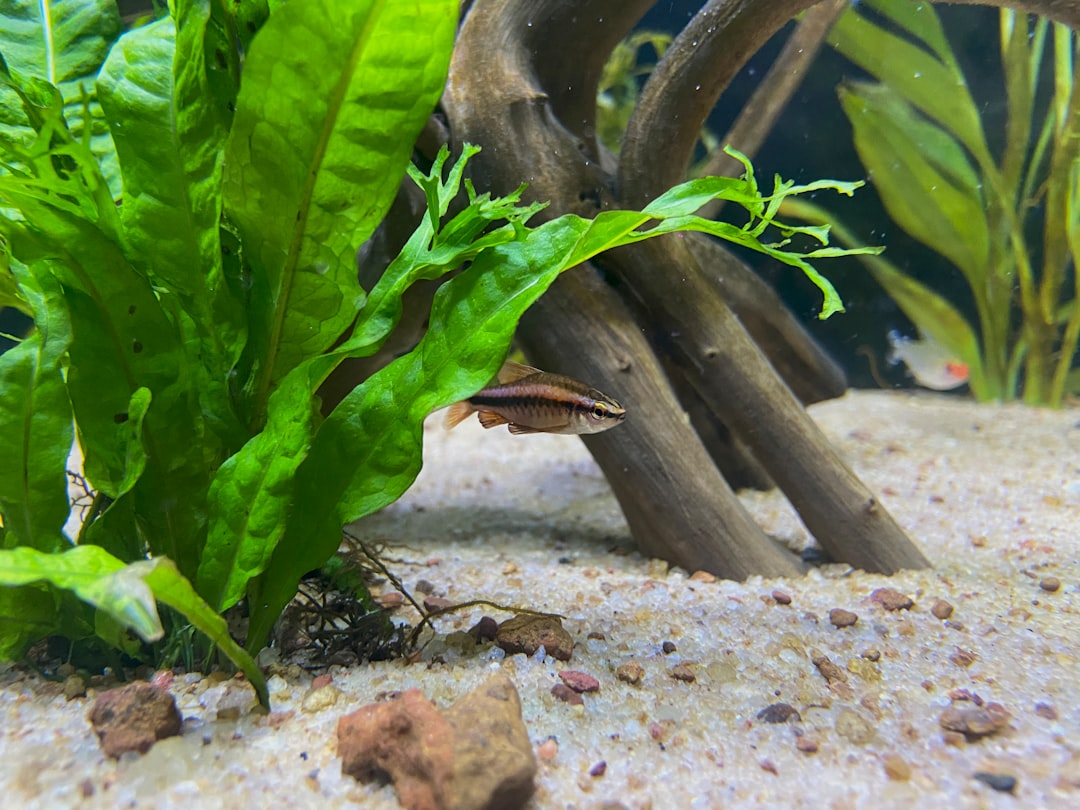
The cherry barb (Puntius titteya) is one of the most underrated fish in the freshwater hobby. Native to the shaded forest streams of Sri Lanka, this small, peaceful barb offers everything a tropical aquarist could want — vibrant colour, hardiness, ease of care and compatibility with virtually any community tank. Males in breeding condition turn a breathtaking deep crimson that rivals any fish in the trade. This guide sits inside our broader Tropical Fish Species Master Index reference.
Unlike their boisterous cousins the tiger barb, cherry barbs are gentle, unassuming fish that mind their own business. At Gensou, we have recommended them to Singapore hobbyists for over twenty years, and they consistently prove to be one of the most reliable and rewarding species for both beginners and experienced aquascapers.
Appearance and Colour
Cherry barbs reach approximately 4-5 cm in length when fully grown, making them a neat, manageable size for most aquariums. Their body shape is slender and slightly elongated, with a single dark lateral stripe running from snout to tail.
Males
Males are the stars of the species. At rest, they display a warm reddish-brown body with a pronounced dark stripe. When displaying to females or competing with rival males, however, they transform into an intense, deep cherry red that extends across the entire body and fins. This breeding display is one of the most striking colour shows in the freshwater hobby and can occur regularly in a well-maintained aquarium with a proper group.
Females
Females are more subtly coloured, with a yellowish-brown to olive body and a more prominent dark lateral stripe. They tend to be slightly rounder in the belly than males, especially when carrying eggs. While less flashy, females play an important role in encouraging male colouration — males rarely display their best colour without females present to impress.
Tank Size and Setup
Cherry barbs are active but not hyperactive swimmers. A minimum tank size of 60 litres is recommended for a group of six, though 80-100 litres provides a much more comfortable environment and allows the fish to establish small territories for displaying.
Planted Tanks and Cherry Barbs
Cherry barbs are exceptionally well-suited to planted aquascapes. In their natural habitat, they inhabit densely vegetated streams with dappled light filtering through the forest canopy. Replicating this environment brings out their best behaviour and colour.
- Dense planting — java fern, cryptocorynes and stem plants provide security and natural aesthetics
- Open swimming areas — leave a clear zone in the front or centre for displaying males
- Subdued lighting — while not essential, moderate lighting encourages bolder behaviour and richer colour
- Leaf litter — dried Indian almond leaves or similar botanicals add tannins and mimic their native biotope
A dark substrate brings out cherry barb colouration beautifully. ADA Amazonia, Tropica Aquarium Soil or even a simple dark gravel will make the reds truly pop against the background.
Planning a planted community tank? Our custom aquarium design service can help you create the ideal environment for cherry barbs and their tank mates.
Water Parameters for Singapore
One of the cherry barb’s greatest strengths is its remarkable tolerance for a wide range of water conditions. This makes them particularly well-suited to Singapore’s tropical climate and local tap water.
| Parameter | Ideal Range | Singapore Tap Water |
|---|---|---|
| Temperature | 22-28 °C | 26-30 °C (no heater needed) |
| pH | 6.0-8.0 | 7.0-8.0 (suitable as-is) |
| GH | 5-19 dGH | 1-4 dGH (acceptable) |
| KH | 2-15 dKH | 1-3 dKH (acceptable) |
| Ammonia / Nitrite | 0 ppm | Must cycle tank first |
| Nitrate | Below 40 ppm | Keep low with water changes |
Singapore’s ambient temperature of 28-32 °C sits at the upper end of their preferred range, but cherry barbs handle it comfortably. During particularly hot spells, the usual strategies — a clip-on fan, keeping the lid slightly open, or placing the tank away from direct sunlight — are sufficient. For most of the year, no heater or chiller is required.
PUB tap water contains chloramine, so always treat water changes with a quality dechlorinator such as Seachem Prime. Beyond that, cherry barbs are remarkably unfussy about water chemistry.
Schooling Behaviour
Cherry barbs are a shoaling species and must be kept in groups. A minimum of six individuals is recommended, with eight to ten being preferable. In larger groups, their natural behaviour becomes much more apparent.
Unlike true schooling fish such as rummy-nose tetras that swim in tight formation, cherry barbs form loose shoals. They spread out across the tank, each fish occupying its own preferred spot among the plants, but they remain aware of one another. Males will frequently approach females to display, flaring their fins and intensifying their red colouration. This social dynamic is fascinating to observe and only occurs when the group is large enough for the fish to feel secure.
A good sex ratio is one male to every one or two females. Too many males with too few females can lead to excessive chasing, though cherry barbs are far less aggressive about this than many other barb species.
Feeding and Nutrition
Cherry barbs are true omnivores with healthy appetites and zero fussiness. They will eagerly accept virtually any food offered.
- Staple diet — a quality micro pellet or tropical flake such as Hikari Micro Pellets or Sera Vipan
- Frozen foods — bloodworms, daphnia, brine shrimp (2-3 times per week for colour enhancement)
- Live foods — baby brine shrimp, micro worms, vinegar eels (excellent for conditioning breeders)
- Vegetable matter — they will nibble on blanched spinach, cucumber or algae wafers
Feed small amounts once or twice daily. Cherry barbs will happily graze on biofilm and soft algae between meals, making them a useful addition to planted tanks. Their willingness to eat algae is modest compared to dedicated algae eaters, but every little helps.
Compatible Tank Mates
Cherry barbs are one of the most peaceful community fish available. They lack the fin-nipping tendencies associated with tiger barbs and other more boisterous barb species, making them compatible with a wide range of tank mates.
Excellent Tank Mates
- Tetras — neon tetras, ember tetras, cardinal tetras
- Rasboras — harlequin rasboras, chili rasboras
- Corydoras catfish — all species
- Otocinclus
- Small peaceful gouramis — honey gourami, sparkling gourami
- Shrimp — cherry shrimp, Amano shrimp (adult shrimp are safe)
- Snails — nerite snails, mystery snails
Tank Mates to Avoid
- Large cichlids or aggressive fish
- Tiger barbs (they will harass the more peaceful cherry barbs)
- Fish large enough to eat them
Cherry barbs occupy the middle to lower areas of the water column, occasionally venturing to the surface for food. This makes them excellent companions for surface-dwelling species like hatchetfish or mid-level schoolers like tetras.
Breeding Cherry Barbs
Cherry barbs are egg scatterers and can be bred in captivity with moderate effort. They are not as prolific as livebearers, but a well-conditioned pair will spawn readily.
Conditioning
Separate males and females for one to two weeks and feed heavily with frozen and live foods. Females will become noticeably plumper as they fill with eggs. Males will intensify in colour.
Spawning
Introduce a conditioned pair or trio (one male, two females) into a breeding tank with the following setup:
- A shallow tank of 20-30 litres with aged water
- Temperature raised slightly to 26-28 °C
- Spawning mops or fine-leaved plants such as java moss as egg-catching surfaces
- A mesh or marbles on the bottom to protect fallen eggs from the parents
Spawning typically occurs in the morning. The male courts the female with an intense display of colour, and the pair scatters adhesive eggs among the plants. A single spawning can produce 200-300 eggs.
Raising Fry
Remove the parents immediately after spawning, as cherry barbs will consume their own eggs. Eggs hatch within 24-48 hours, and fry become free-swimming roughly two days later. Feed infusoria or liquid fry food for the first week, then transition to baby brine shrimp and micro worms. Fry grow steadily and begin showing colour at around eight weeks of age.
Albino Cherry Barbs
The albino cherry barb is an attractive variant that has become increasingly popular. These fish lack the dark pigmentation of the standard form, instead displaying a translucent pinkish-white body with red eyes. Males still develop a pinkish-red hue, though it is more pastel than the intense crimson of wild-type males.
Albino cherry barbs require exactly the same care as the standard form. They can be kept together without any issues, and the visual contrast between the deep red of wild-type males and the pale glow of albinos makes for a striking display. The only consideration is that albino fish may be slightly more sensitive to very bright lighting, so a well-planted tank with shaded areas is beneficial.
Frequently Asked Questions
Are cherry barbs fin nippers?
No. Cherry barbs are one of the most peaceful barb species in the hobby. Unlike tiger barbs, which are notorious fin nippers, cherry barbs show virtually no interest in other fish’s fins. They are safe to keep with long-finned species such as guppies and bettas, though we recommend monitoring any combination with bettas to ensure the individual betta tolerates company.
Why are my cherry barbs not turning red?
Several factors influence male colouration. Stress from an undersized group (fewer than six), poor water quality, inadequate diet or overly bright lighting can all suppress colour. Ensure your group includes females to trigger display behaviour, feed a varied diet with frozen foods, and provide a dark substrate and some shade. In Singapore, newly imported fish may take a few weeks to settle in and colour up.
Can cherry barbs live without a heater in Singapore?
Yes. Singapore’s ambient temperature of 28-32 °C falls within the cherry barb’s acceptable range. A heater is unnecessary in most HDB and condo setups. During rare cold spells, indoor temperatures rarely drop low enough to concern these hardy fish.
How long do cherry barbs live?
With good care, cherry barbs typically live four to six years in an aquarium. Proper diet, stable water conditions and a stress-free environment all contribute to longevity. Some specimens have been reported to reach seven years or more.
Start Your Cherry Barb Community Tank
Cherry barbs are a genuinely excellent fish — peaceful enough for any community, hardy enough for beginners, and beautiful enough to impress seasoned aquarists. Their compatibility with planted tanks makes them a natural choice for aquascaping enthusiasts in Singapore.
Visit us at Gensou’s shop at 5 Everton Park to see cherry barbs in person, or get in touch to discuss your ideal community aquarium setup. With over two decades of experience, our team can help you choose the right tank mates and create a thriving, colourful display.
For more community fish inspiration, explore our neon tetra care guide or harlequin rasbora care guide.
Related Reading
- How to Breed Cherry Barbs: From Courtship to Free-Swimming Fry
- Cherry Barb vs Gold Barb: Colour, Size and Temperament Compared
- How to Breed Red Cherry Barbs: Easy Egg Scatterers for Beginners
- Amano Shrimp vs Cherry Shrimp: Which Is Better for Your Tank?
- Cherry Shrimp Colour Grading Guide: From Lowest to Painted Fire Red



